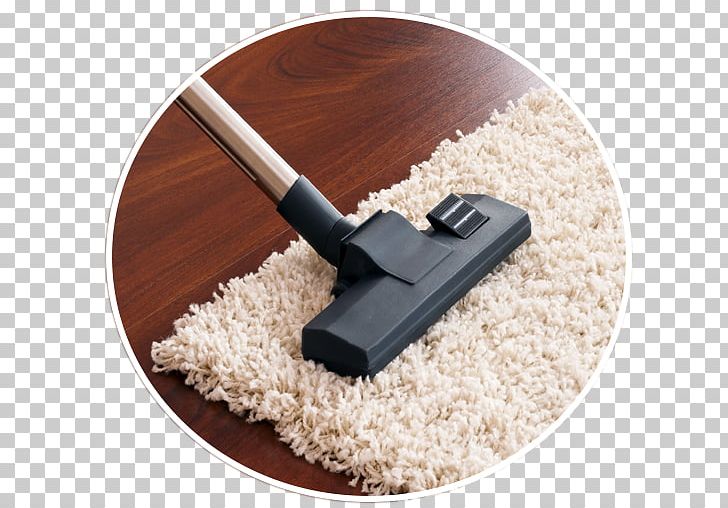
Maintaining clean carpets is more than a matter of keeping your carpet cleaner home looking good—it’s an investment in health, comfort, and the longevity of your flooring. Over time, carpets collect dust, dirt, allergens, and even bacteria that can affect the air quality in your home and trigger allergies. Whether you’re tackling stubborn pet stains, heavy foot traffic, or everyday dirt, having the right carpet cleaner can make the process simpler, faster, and more effective. In this guide, we’ll explore everything you need to know about carpet cleaners, including types, usage tips, maintenance strategies, and eco-friendly options.
Why Carpet Cleaning Matters
Carpets act like magnets for dirt, dust, and moisture. Even with regular vacuuming, many particles remain trapped deep in the fibers. Over time, this buildup not only dulls the appearance of your carpet but also creates a breeding ground for bacteria and allergens. For families with children or pets, this can directly impact health, potentially triggering asthma or allergy symptoms.
Beyond health concerns, carpets that aren’t cleaned regularly develop permanent stains, unpleasant odors, and worn fibers. This not only makes your home less comfortable but also reduces the lifespan of your flooring. Investing in a quality carpet cleaner—whether for occasional deep cleaning or routine maintenance—ensures your carpets remain clean, fresh, and durable.
Different Types of Carpet Cleaners
Not all carpet cleaners are created equal. Understanding the different types helps you choose one that suits your home’s needs and your cleaning habits.
1. Steam Cleaners (Hot Water Extraction)
Steam cleaners are one of the most effective methods for deep carpet cleaning. They use hot water combined with a cleaning solution to penetrate carpet fibers, loosening dirt and grime. A strong vacuum then extracts the dirty water, leaving carpets clean and sanitized. Steam cleaning is particularly effective for households with pets or children, as it removes bacteria and dust mites while eliminating stubborn stains.
2. Dry Carpet Cleaners
Dry carpet cleaning methods use minimal moisture, often in the form of powders or foams. The cleaning agent is spread across the carpet, worked into the fibers, and then vacuumed up. Dry cleaners are convenient for quick cleaning because carpets dry almost immediately. However, they may not remove deeply embedded dirt as effectively as steam cleaners, making them better suited for light maintenance rather than heavy-duty cleaning.
3. Carpet Shampooers
Shampoo carpet cleaners work by applying a foaming detergent to loosen dirt. After scrubbing, the foam is either vacuumed or rinsed away. Shampooing is ideal for surface-level dirt and minor stains, but improper rinsing can leave residue, attracting more dirt over time.
4. Spot Cleaners
Spot cleaners are small, portable devices designed to tackle localized stains and spills. They are perfect for pet accidents, food spills, or ink stains, without needing to clean the entire carpet. While convenient, spot cleaners are not a replacement for full carpet cleaning sessions.
How to Choose the Best Carpet Cleaner
Finding the right carpet cleaner depends on your lifestyle, carpet type, and cleaning frequency. Consider the following factors:
- Carpet Type: Thick, plush carpets require machines with strong suction and deep cleaning capabilities, while low-pile carpets can often be cleaned with lighter models.
- Cleaning Frequency: If you plan to clean often, a durable, easy-to-use machine is essential. Occasional users may opt for a more compact, budget-friendly model.
- Stain and Odor Removal: Homes with pets or children benefit from machines with specialized stain and odor-fighting features.
- Health Considerations: For allergy-prone households, look for machines with HEPA filters or steam cleaners that sanitize without harsh chemicals.
- Storage and Portability: Large machines may be cumbersome, so consider your storage space and how often you will move the device.
Step-by-Step Guide to Cleaning Carpets
Even the best carpet cleaner won’t be effective without proper usage. Follow these steps for optimal results:
- Vacuum First: Always vacuum carpets before deep cleaning to remove loose dirt and debris.
- Pre-Treat Stains: Apply a specialized stain remover to stubborn spots and allow it to sit for several minutes.
- Fill the Machine: Add water and cleaning solution according to the manufacturer’s instructions. Overfilling can reduce performance and cause leaks.
- Clean in Sections: Work in small areas to ensure thorough cleaning. Move the machine slowly to allow deep extraction of dirt.
- Rinse if Required: Some machines require a rinse cycle to remove detergent residue, which prevents dirt from accumulating quickly afterward.
- Dry Completely: Carpets should be completely dry to avoid mold and mildew. Use fans or open windows to accelerate drying.
- Final Vacuum: After drying, vacuum again to lift fibers and remove any remaining residue.
Tips for Maintaining Carpets Between Cleanings
Regular maintenance keeps carpets looking fresh and extends their lifespan.
- Vacuum Frequently: Aim for at least twice a week, especially in high-traffic areas.
- Address Spills Immediately: Blot spills instead of rubbing to avoid spreading the stain.
- Use Mats and Rugs: Place mats at entrances to trap dirt and prevent it from reaching carpeted areas.
- Schedule Professional or Deep Cleaning: Even with consistent vacuuming, carpets benefit from deep cleaning once or twice a year.
Eco-Friendly Carpet Cleaning Options
For environmentally conscious households, there are several green carpet cleaning options. Plant-based detergents, low-water cleaning systems, and biodegradable solutions reduce chemical exposure while still effectively cleaning carpets. Steam cleaning also counts as an eco-friendly option, as it relies mostly on heat rather than harsh chemical cleaners. Choosing eco-friendly products ensures your home stays safe for children and pets while protecting the environment.
Common Carpet Cleaning Mistakes to Avoid
Even with the best equipment, mistakes can compromise results:
- Using Too Much Detergent: Excessive cleaning solution can leave sticky residue, attracting more dirt.
- Skipping Pre-Vacuuming: Dirt left on the surface can embed deeper during cleaning.
- Over-Wetting Carpets: Too much water can damage carpet backing and cause mold growth.
- Delaying Stain Treatment: Treat stains promptly to prevent them from becoming permanent.
Conclusion
Choosing the right carpet cleaner and using it effectively is key to maintaining a clean, healthy, and comfortable home. Whether you prefer steam, dry, shampoo, or spot cleaning, understanding the strengths of each method ensures you get the best results. Regular maintenance, timely stain treatment, and occasional deep cleaning protect your carpet investment and create a home environment that is both inviting and safe.
Carpet cleaning is not just about appearance—it’s about creating a healthier, fresher living space. With the right approach, even heavily trafficked areas and stubborn stains can be managed efficiently. By investing in quality equipment, following proper cleaning techniques, and adopting eco-friendly methods where possible, your carpets will remain clean, vibrant, and long-lasting.